




HMAP World Story
 HOME
HOME

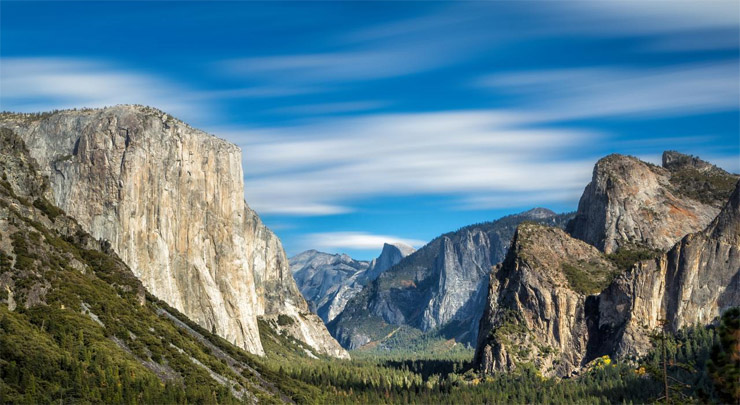
엘 캐피탄
엘 캐피탄은 수직화강암석으로, 요세미티 국립공원 북쪽에 위치한다. 엘 캐피탄의 수직절벽의 높이는 900m, 엘 캐피탄 정상의 고도는 2,308m이다. 엘 캐피탄은 많은 암벽등반가와 베이스 점퍼들에게 꿈과 같은 장소이다. 900m나 되는 수직절벽은 등반하기가 굉장히 까다로우며 위험하다. 베이스 점퍼들에게도 900m 수직절벽은 베이스 점핑을 즐기기 좋은 환경을 제공한다. 등산객들이 엘 캐피탄의 정상에 오르기 위해서 선택할 수 있는 등산로는 굉장히 다양하지만, 모든 등산 루트가 굉장히 어렵다고 한다.
[자세히보기]Source : 나무위키
El Capitan
El Capitan is a vertical rock formation in Yosemite National Park, on the north side of Yosemite Valley, near its western end. The granite monolith is about 3,000 feet (914 m) from base to summit along its tallest face and is a world-famous location for big wall climbing, including the disciplines of aid climbing, free climbing, and more recently for free solo climbing.
[Learn more]Source : Wikipedia

 0
0


ZanzibarCEO Yun Jeong Choi
204, Dongsan-ro 14Gil 49, Seocho-Gu, Seoul, Republic of Korea
T. +82-10-6314-0823 Business License. 259-06-01622
E-Mail : humanmap@naver.com
※ Zanzibar, a stock company, is a broker of telecommunication sales
and is not a party to telecommunication sales.
Therefore, the company shall not be held liable for goods, transaction information or transactions.